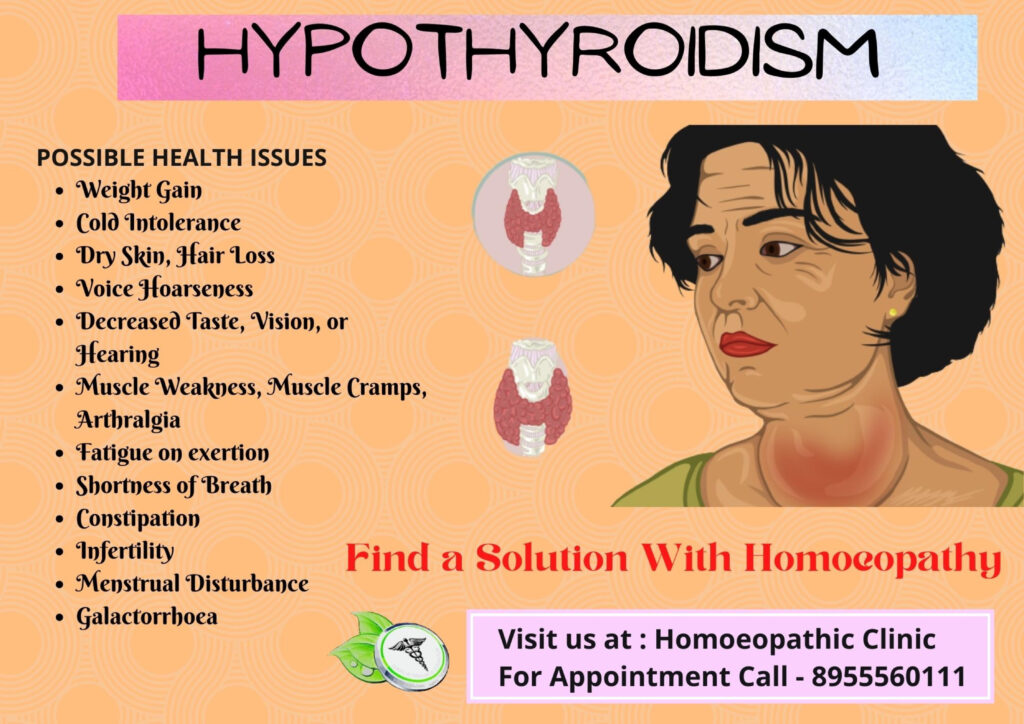
Hypothyroidism is a common condition of thyroid hormone deficiency which is readily diagnosed and managed but potentially fatal in severe cases if untreated. It is the second most common endocrine disorder among women the female, male ratio is approximately 6:1.
The thyroid hormone has effects on almost every cell of the body including the functioning of the digestive tract, heart, muscles, bone, brain, reproductive system. Thyroid disorders can cause puberty and menstruation to occur abnormally early or late. It can lead to very irregular menstrual periods, or absent menstrual periods. It can prevent ovulation from occurring at all. Ovaries are at an increased risk for cyst development. Chronic hypothyroidism also increases total cholesterol and low-density lipoprotein concentrations while decreasing high-density lipoproteins, which increases cardiovascular mortality risk. Depression is also a common symptom of hypothyroidism. Thyroid problems in a pregnant woman can affect the developing baby. During the first three months of pregnancy, the baby receives all thyroid hormone from its mother. If the mother has hypothyroidism, the baby does not get enough thyroid hormone. This can lead to problems with mental development. Studies indicate that even slight hypothyroidism is associated with increased miscarriage, late fetal demise and lower IQ of offspring.
A deficiency of thyroid hormone can cause miscarriages, preterm delivery, still birth, and postpartum hemorrhage. Thyroid disorders during pregnancy can harm the fetus and may lead to thyroid problems in the mother after birth, such as postpartum thyroiditis. Extremely low levels of thyroid hormone can cause a life-threatening condition called myxedema. It is the most severe form of hypothyroidism. A person with myxedema can lose consciousness or go into a coma. The condition can also cause the body temperature to drop very low, which can cause death.
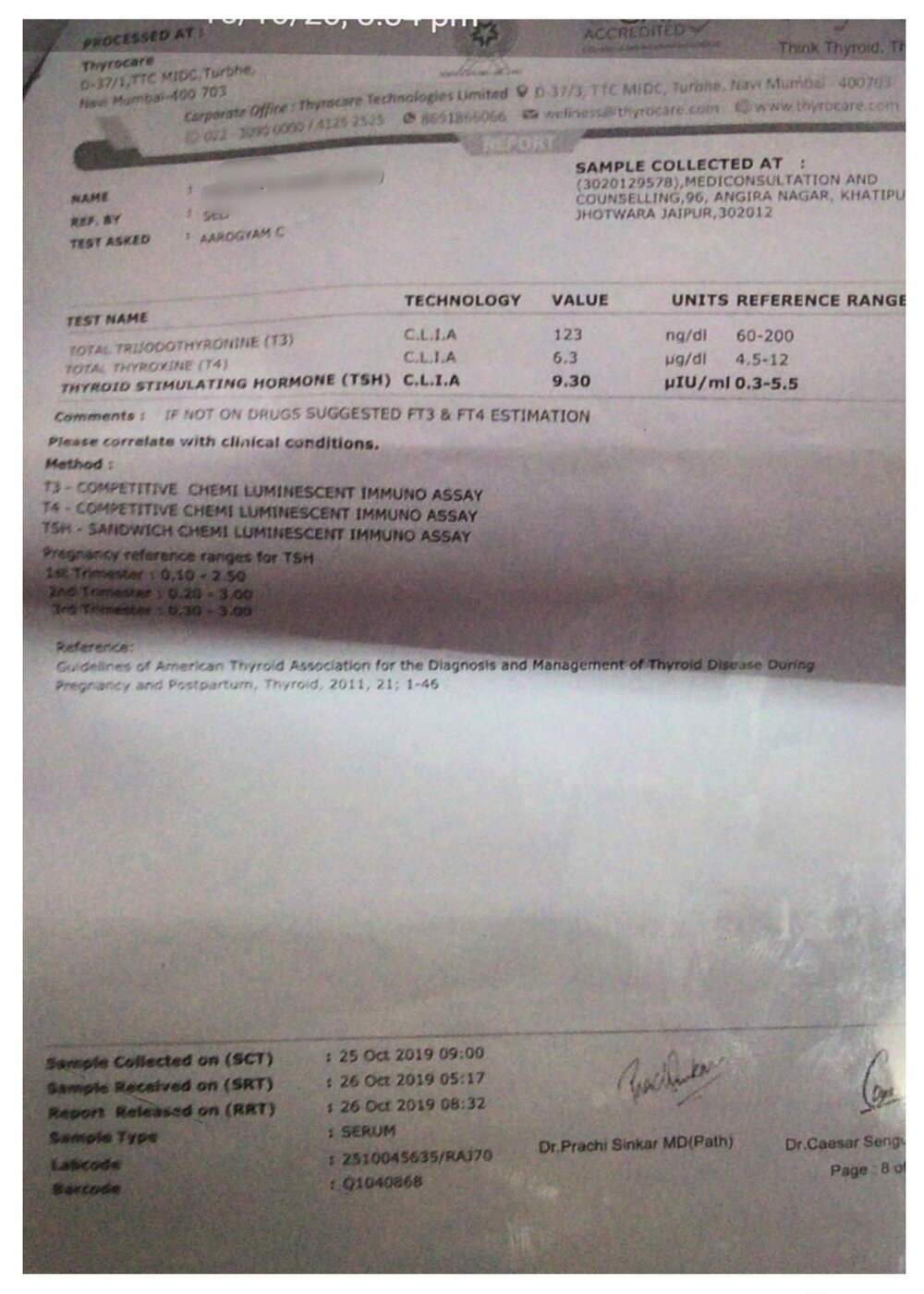
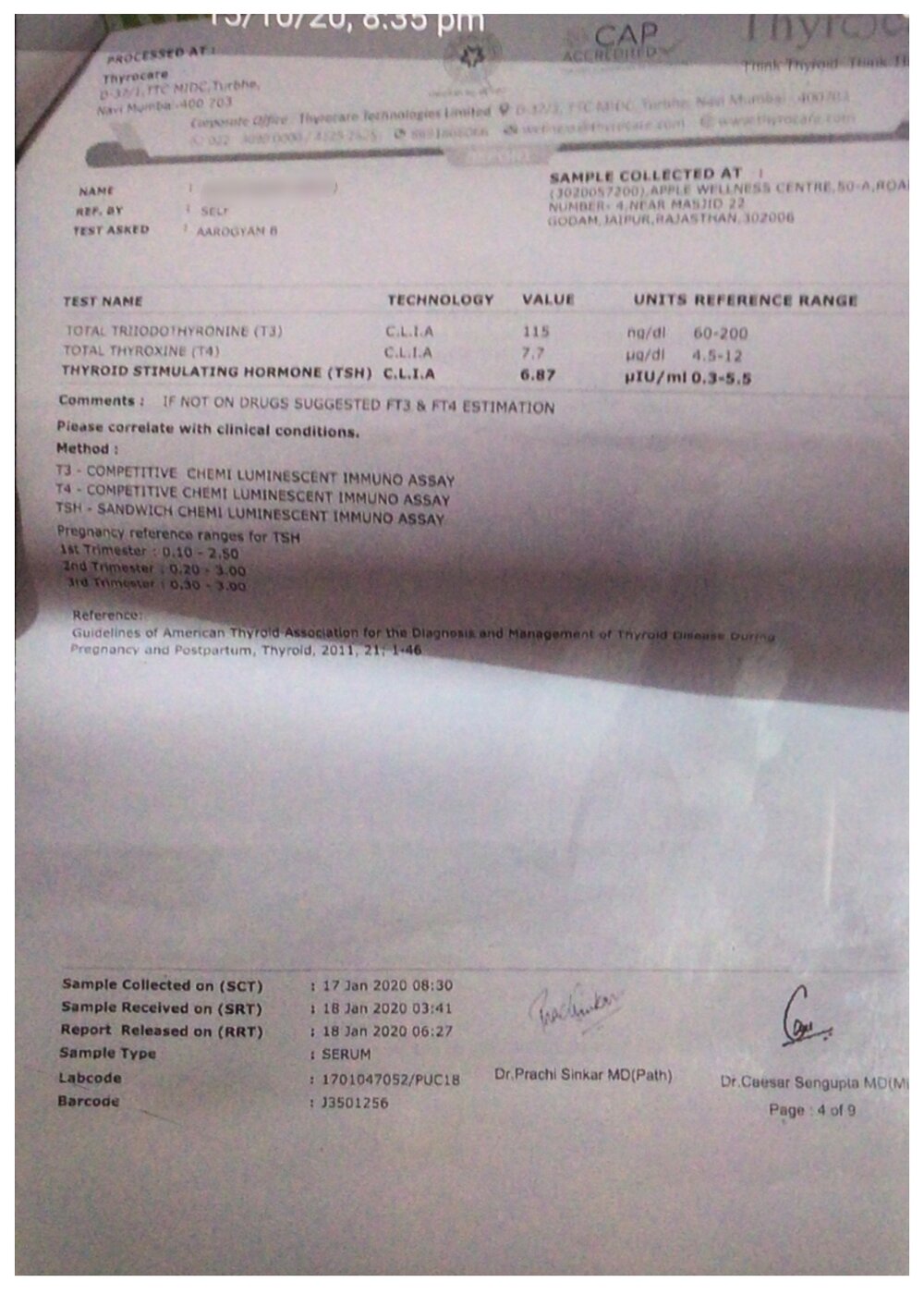
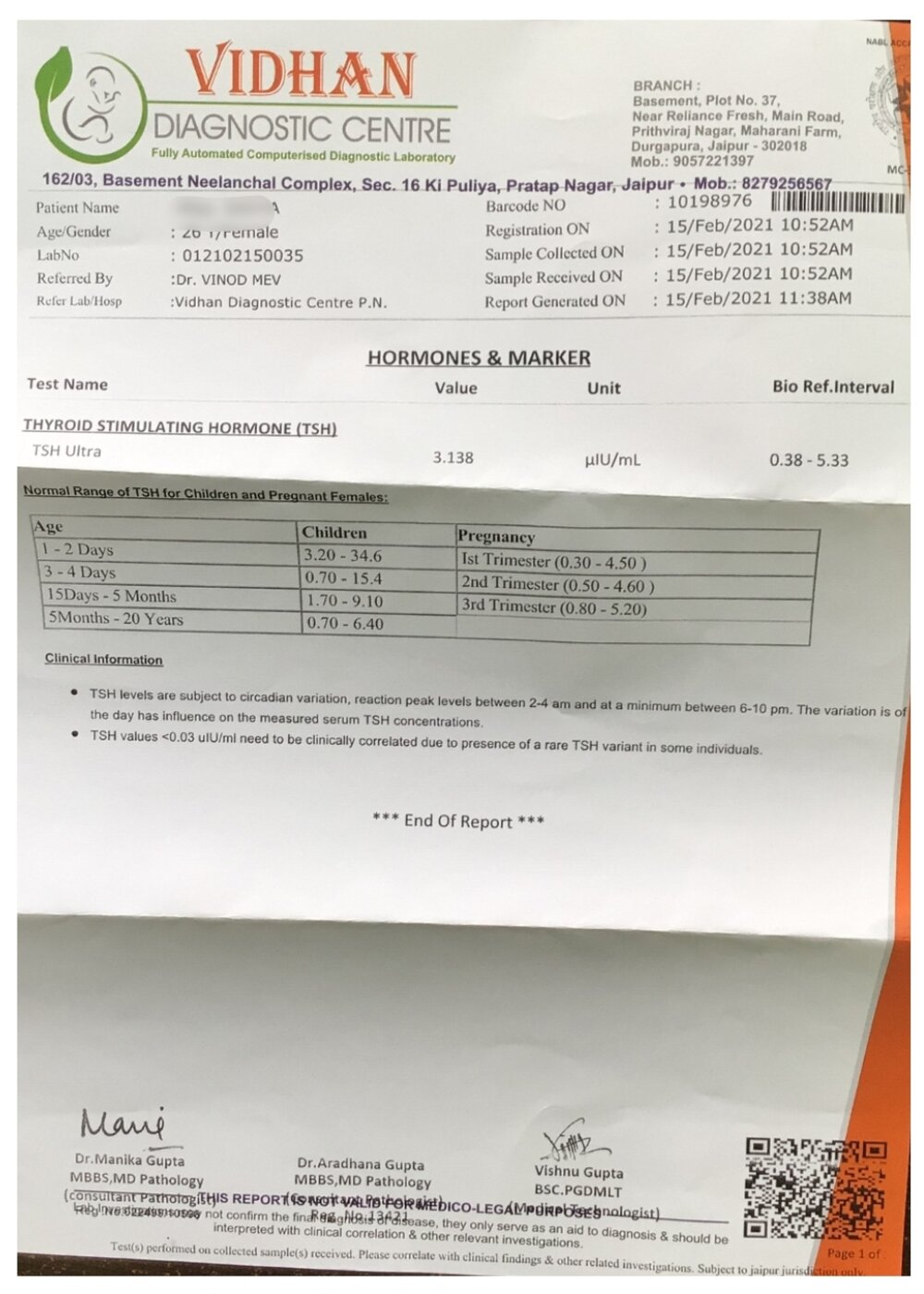
When the deficiency of thyroid hormone is due to inadequate production of thyroid hormone by thyroid gland, it is primary hypothyroidism. Secondary is caused due to the failure of adequate thyroid-stimulating hormone (TSH) secretion from the pituitary gland or thyrotrophin-releasing hormone (TRH) from the hypothalamus leading to inadequate stimulation of thyroid gland. Homoeopathic medicines with their holistic and individualized approach have their curative action on hypothalamic-pituitary axis as well as on the thyroid gland. Homoeopathic medicines normalize secretion of T3, T4 and TSH and functionalize thyroid gland at normal level. Homoeopathy cures this illness from root level covering all the wide variety of symptoms and dependency on life long medication is not required.