POLY CYSTIC OVARIAN SYNDROME
Polycystic ovarian syndrome (PCOS), a disorder primarily characterized by signs and symptoms of androgen excess and ovulatory dysfunction, is one of the most common metabolic and reproductive disorders among women of reproductive age. It is a complex condition characterized by elevated androgen levels, menstrual irregularities, and/or small cysts on one or both ovaries which significantly impacts their quality of life. A woman is diagnosed with polycysticovaries if she has 20 or more follicles in at least 1 ovary.
Obesity is considered one of the most important features of PCOS. Its prevalencein diseased women varies between 61 and 76%. The endocrinologic abnormality of PCOS begins soon after menarche.
Women with polycystic ovarian syndrome (PCOS) have abnormalities in the metabolism of androgens and estrogen and in the control of androgen production. PCOS can result from abnormal function of the hypothalamic- pituitary-ovarian (HPO) axis.
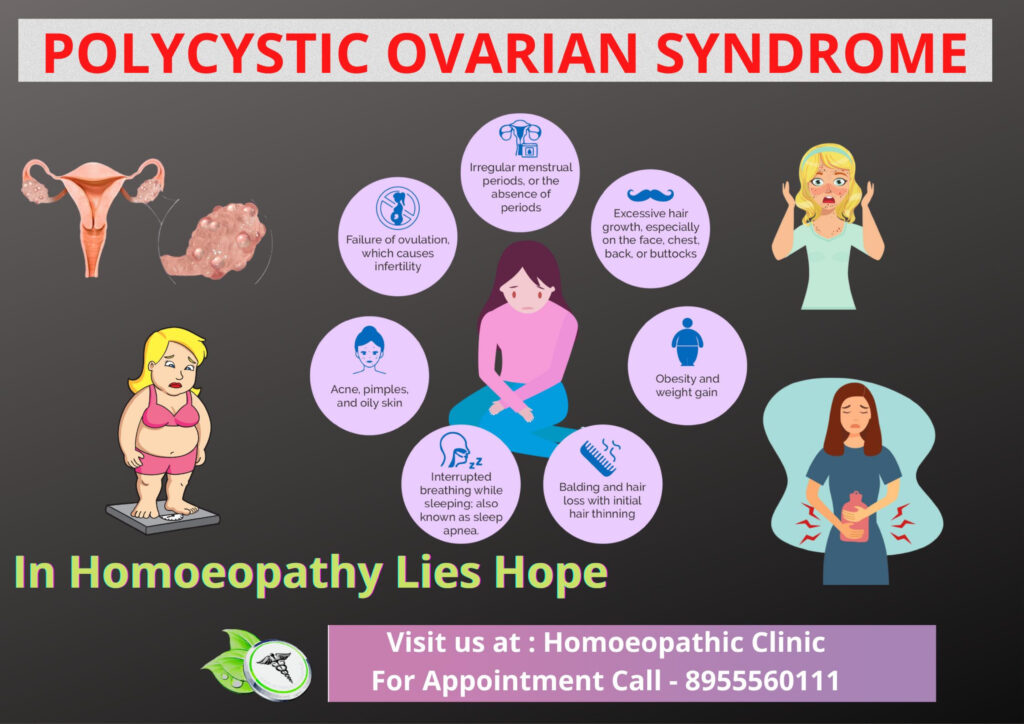
Common signs and symptoms could be oligomenorrhea or amenorrhea associated with chronic anovulation, high cholesterol, elevated lipids, Sleepapnea , liver disease , abnormal uterine bleeding , high blood pressure , low self-esteem and depression , metabolic syndrome , nonalcoholic fatty liver. Acanthosis nigricans, dark and hyperpigmented hyperplasia of the skin typically found at the nape of the neck and axilla, is a marker for insulin resistance. They may be at increased risk of multiple morbidities, including , insulin resistance, type ii diabetes mellitus, cardiovascular disease (CVD), infertility, cancer, and psychological disorders . Prolonged exposure to unopposed estrogen, can lead to endometrial hyperplasia and endometrial carcinoma. Women who are hyperandrogenic and hyperinsulinemic are at increased risk for dyslipidemia, coronary artery disease and hypertension. The most common lipid abnormalities found in obese PCOS patients are decreased high-density lipoprotein and elevated triglycerides. In addition to the lipid abnormalities seen in women with PCOS, these patients are 7 times more likely to have a myocardial infarction.
Homoeopathic treatment involves the selection of a constitutional homoeopathic remedy capable of working not only on the ovaries but also on the entire psycho-neuro-endocrine axis of the patient. There are several homoeopathic medicines capable of curing this condition when selected after understanding the constitution, genetic predisposition, miasmatic background and peculiarities in the menstrual cycle, if any.
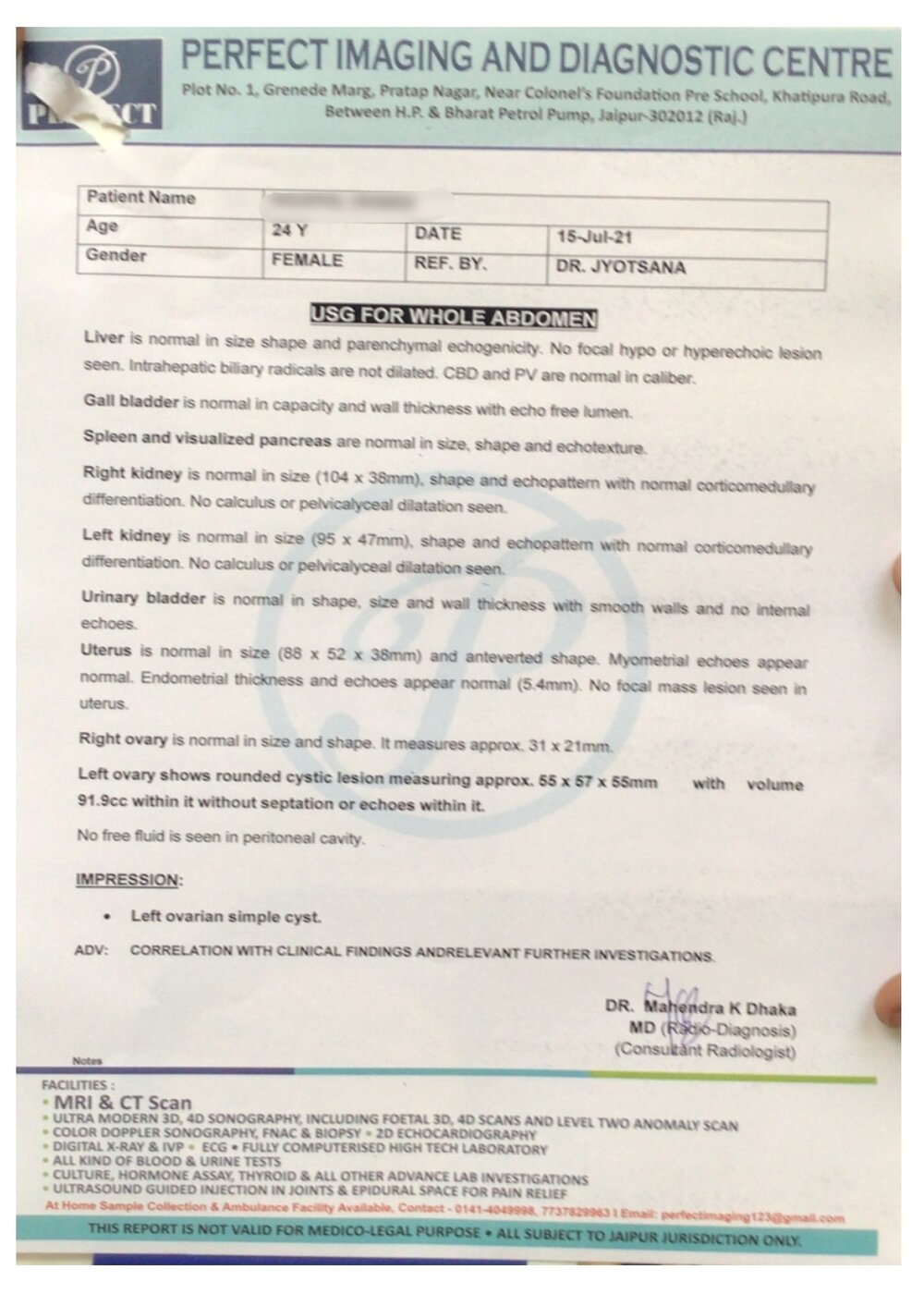
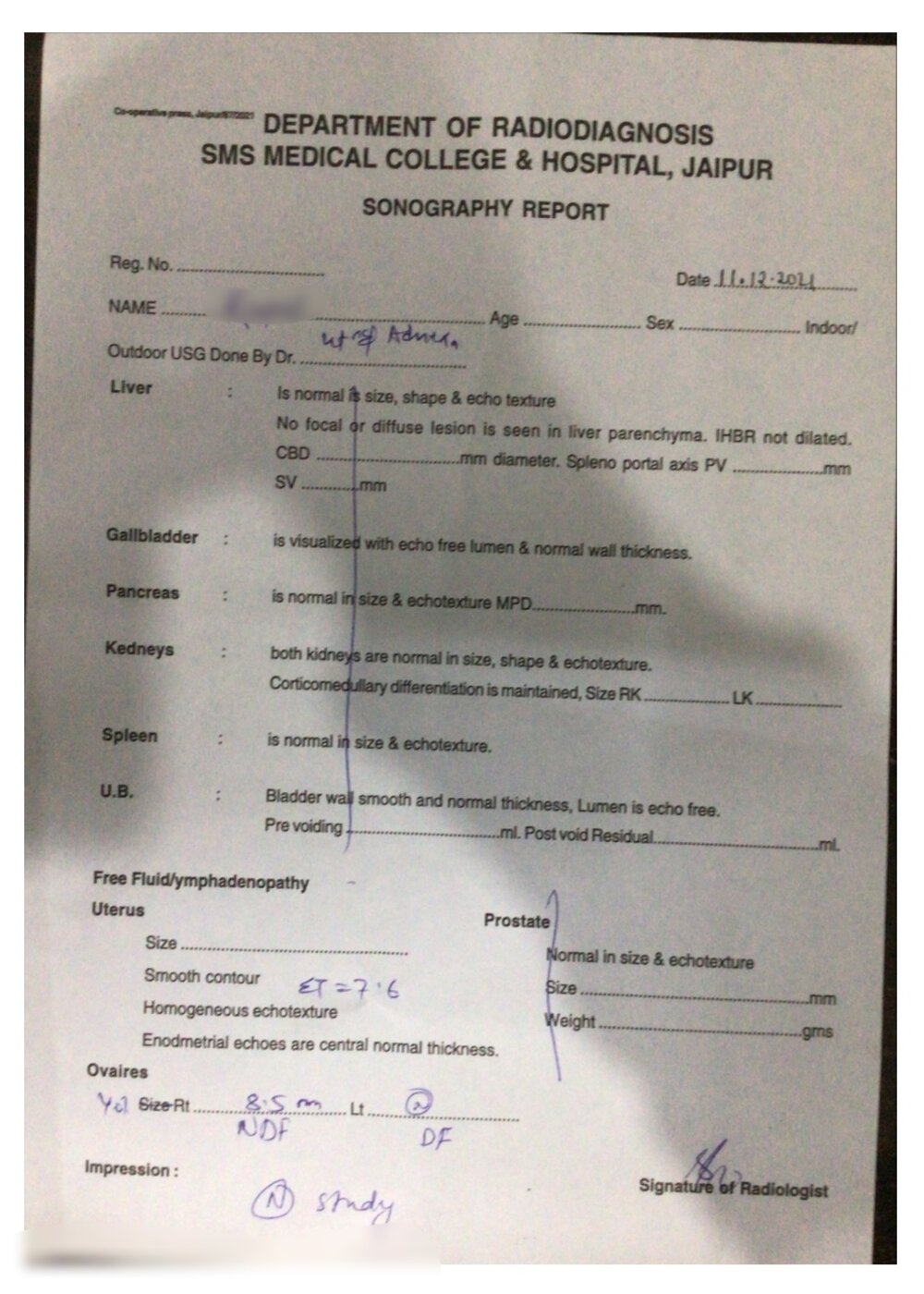
The improvement is evident from regularity of menstrual cycle and also from the ultrasonography reports. Homoeopathy efficiently prevents requirement of surgery for these cases and offers cure along with rendering patient life risk free from associated comorbidities. The sooner the patient seeks help from a homoeopath the better are the chances of recovery.